

School is officially out.
Which means summer break for Dad too — at least from the morning shift.
For the past several years I’ve been on school run duty. My wife is a teacher and leaves early, so getting three kids out the door and to school on time every morning falls on me.
It has never once been boring.
When they were smaller it was about the basics — breakfast, getting dressed, making sure everyone had what they needed. Chaotic, but manageable chaos.
You could see the problems coming.
Now it’s different.
Now it’s refereeing a bathroom standoff between my two daughters because one has been in there for twenty minutes and the other one needed to be in there fifteen minutes ago.
It’s my son, completely unreachable, mid-game on EA Soccer on his Nintendo Switch at 8:15 in the morning.
It’s someone remembering — just as we’re walking out the door — that they need to bring something to school today. Something important.
Something that requires finding, locating, and then locating again.
Every day. A new version of the same race.
I love them. But I am genuinely glad to have a few months off from the morning shift.
I’ve been watching the condo story unfold in Canada over the past few weeks and I can’t stop thinking about it.
Here’s the quick version for anyone who hasn’t been following:
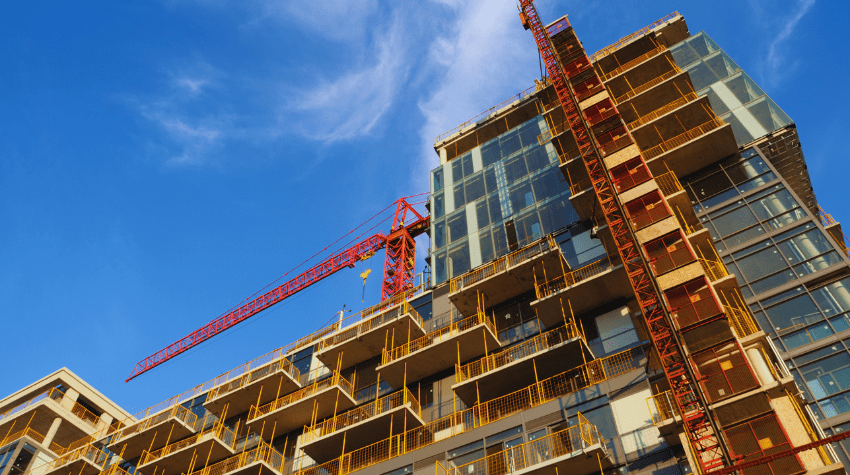
Thousands of newly completed condos are sitting empty across Vancouver and Toronto. Developers built them — small, investor-grade units priced at the top of the market — and now they can’t sell them. The market has moved. Buyers aren’t there at those prices.
So the federal and B.C. governments have stepped in with a plan to buy up those vacant units and convert them into affordable housing. Combined spending across various programs could reach into the billions.
The stated goal is affordability and housing supply. Both are real and worthy problems.
But here’s what’s actually happening underneath that framing.
The market was doing exactly what markets are supposed to do. Developers made bets — build small, price high, count on demand holding — and those bets didn’t pay off. A correction was underway. Prices were going to come down. That’s healthy. That’s the system working.
When government steps in to absorb that correction, the bad decisions don’t disappear. They just get transferred. From the developers who made them to the taxpayers who didn’t.
I want to be careful here because I think the full picture is more complicated than the loudest voices on either side suggest.
Part of the problem was genuinely that governments at every level loaded new housing with taxes, development charges, fees, approvals, and delays — sometimes adding tens of thousands of dollars in costs before a single shovel hit the ground.
Developers were operating in a broken system. That’s real.
But the answer to a broken system isn’t to bail out the people who bet on it continuing.
The answer is to fix the system.
I’ve been around long enough to know what happens when the economics of a deal don’t work from the start and someone pushes it through anyway counting on the market to bail them out. Sometimes it does. Usually it doesn’t.
When it doesn’t in the private world — no government steps in. The loss lands where the decision was made. That’s how risk is supposed to work. It’s what keeps decision-making honest.
Real affordability doesn’t come from absorbing bad bets after the fact. It comes from making it viable to build the right product in the first place.
Until that changes, we’ll keep confusing bailouts with housing policy.
Until next week,
Vince.
P.S. First morning of summer break I slept until 7:30. Felt like a vacation.